Turbocharger Tech
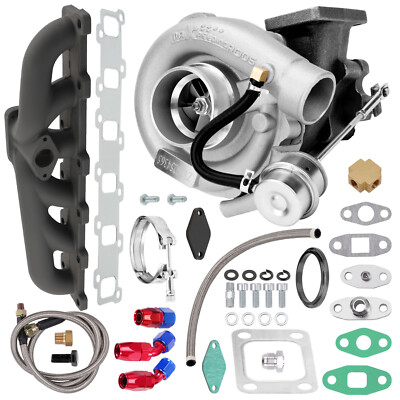
| Component | Functionality & Design |
|---|---|
| Turbine Wheel | Driven by exhaust gases to spin the shaft. |
| Compressor Wheel | Draws in ambient air and compresses it into the intake. |
| Wastegate | Regulates boost pressure by bypassing exhaust gas. |
| Intercooler | Cools compressed air to increase oxygen density. |
| Boost Threshold | The RPM at which the turbo begins providing positive pressure. |
| Bearing Type | Journal Bearings or Ball Bearings for reduced friction. |
A Turbocharger is a centrifugal compressor powered by a turbine that is driven by the engine's exhaust gases. Its primary purpose is to increase the density of the air entering the engine to create more power. By forcing more air into the combustion chamber, the engine can burn more fuel, significantly increasing horsepower and torque without requiring a massive increase in engine displacement.
Modern turbocharging has evolved from the "all-or-nothing" power delivery of the 1980s into sophisticated systems utilizing Variable Geometry Turbines (VGT) and twin-scroll designs. These advancements help eliminate "turbo lag," providing a smoother power curve and better fuel efficiency. Turbochargers are now a staple in both high-performance supercars and everyday eco-friendly commuters.
Effective thermal management is crucial for turbo systems. Because they operate at extreme rotational speeds—often exceeding 200,000 RPM—and are exposed to scorching exhaust heat, they require high-quality oiling systems and often dedicated water-cooling lines to ensure longevity and prevent "coking" of the internal bearings.
Return Home